
Elixir Ceylon Pvt Ltd හි 100% කාබනික පොල් නිෂ්පාදනවල සෞඛ්ය ප්රතිලාභ

පොල් පැණි සහ
පොල් සීනි
කාබනික නැවුම් පොල්තෙල්
පොල් පිටි
පොල් චිප්ස්
පොල් ජෑම්
100% කාබනික පොල් නිෂ්පාදන වල අඩු GI මට්ටම් රුධිරයේ සීනි ප්රමාණය පාලනය කිරීම, පෝෂ්ය පදාර්ථ වලින් පොහොසත් වීම,ආදි අභ්යන්තර ප්රතිලාභ මෙම නිශ්පාදන වලින් ලබා ගත හැකිය.
දීප්තිමත් සමක් සහ ශක්තිමත් හිසකෙස් වැනි බාහිර ප්රතිලාභ මෙම නිශ්පාදන වලින් ලබා ගත හැකිය
මෙම කාබනික පොල් නිෂ්පාදන ඔබේ දෛනික ජීවන රටාවට ඇතුළත් කර ගැනීමෙන් හෘද සෞඛ්යයට සහාය වේ, ප්රතිශක්තිය වැඩි කරයි, සහ පිරිසිදු, ස්වාභාවික පෝෂණය සපයයි.
පිරිසිදු, සකස් නොකළ සහ තිරසාර මූලාශ්රවලින් ලබාගත් පොල් නිෂ්පාදන ඔබේ සමස්ත යහපැවැත්ම ඉහළ නැංවීමට සරල ක්රමයකි.

Coconut Flour- The secret superfood you need in your kitchen
Coconut Flour- The secret superfood you need in your kitchen
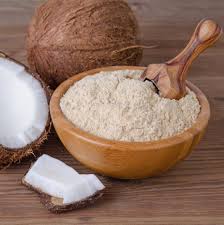
Organic coconut flour is a natural, nutrient-rich flour made from the dried, shredded meat of organic coconuts that is pressed to remove oil and then ground into a fine powder. It is considered a healthy, gluten-free alternative flour with a high composition of fiber and protein, often used in baking and cooking.
How it is made
The process involves several key steps:
- Harvesting and Preparation: Ripe organic coconuts are harvested and the white meat is separated from the shell.
- Pressing: The shredded coconut meat is pressed mechanically to extract most of the oil, which reduces the fat content and results in defatted coconut meat.
- Drying: The defatted coconut meat is thoroughly dried to remove moisture, which helps in maintaining shelf stability and enhances the baking properties.
- Milling: The dried coconut meat is milled into a fine, white flour that retains much of its natural flavor and nutrients.
This entire process ensures the flour remains gluten-free, preservative-free, and rich in nutrients, making it popular among health-conscious consumers.
Organic coconut flour is nutritionally rich in minerals such as iron and potassium.
Coconut flour is beneficial for digestion and muscle support. It is also gluten-free, low in sugar, and contains healthy fats that can support metabolism and energy levels. This makes it a nutritious choice for gluten-sensitive or plant-based diets.
The high fiber content helps promote digestive health, while the protein and minerals support overall wellness. However, due to its absorbent nature, recipes generally need adjustments when substituting coconut flour for other flours.
Coconut flour is used mostly in baking and cooking as a gluten-free flour alternative but requires special handling due to its high absorbency.
Coconut flour works well for cakes, cookies, muffins, and pancakes.
King of Coconut, Treasure of Sri Lanka
Coconuts have a deep historical and cultural importance in our motherland, dating back to as far as the 1st century BC.
The Mahawamsa chronicles state the cultivation of coconuts during the reign of King Aggabodhi (564–598 AD), marking coconut as a significant part of Sri Lanka’s agrarian society.
A culture carved from coconuts
Culturally, the coconut palm is deeply integrated into Sri Lankan life, symbolizing prosperity and being used in traditional rituals, cuisine, and daily sustenance. Many places in Sri Lanka bear the word “Pol” (meaning coconut), highlighting its agricultural and social prominence.
The king coconut variety, native to Sri Lanka, known as “Thambili” is a local favourite, especially cherished for its sweet water and is part of traditional practices and refreshments. It is quite literally nature’s energy drink packed with electrolytes with just the right amount of sweetness to keep you refreshed under the tropical sun!
Nature’s Energy Drink
- King Coconut water is rich in protein, fiber and vital minerals.
- Medium Chain Fatty Acids (MCFAs) in coconut meat are easily digestible fats that fuel endurance and energy.
- High Fiber content slows digestion, which helps in regulating blood sugar levels and supports diabetes management.
- Improves oral health by fighting invasive bacteria present in oral cavity.
- Promotes overall wellbeing by inhibiting or reducing the risk of diabetes, obesity, bowel cancer, and heart disease.
Whether used for a simple meal or a prestigious ceremony, coconuts in Sri Lanka are never an uninvited guest!

Upcycling Coconut Shells to turn waste into wonder
Coconut shells, often discarded as waste after extracting the fruit’s flesh and water, are increasingly being upcycled into useful and attractive products. This process not only reduces environmental waste but also aids sustainable living by giving new life to a natural by-product that would otherwise end up in landfills or be burned, causing pollution.
The benefits of upcycling coconut shells extend to both the environment and the economy. Environmentally, it minimizes waste, lowers carbon emissions, and promotes the use of renewable materials.
Economically, it creates opportunities for artisans and small-scale businesses to design and sell unique handcrafted products. Aesthetically, coconut shell items carry a natural, rustic charm — their earthy tones, smooth textures, and organic shapes add elegance and warmth to any space.
Upcycling transforms these hard shells into eco-friendly items such as bowls, cups, jewelry, home décor pieces, aesthetic products like coconut shell candles, candle holders and amenities like coconut shell soap trays.
In essence, upcycling coconut shells combines creativity, sustainability, and style. It showcases how nature’s leftovers can be turned into artful, functional, and eco-conscious products that contribute to a greener planet and a more mindful lifestyle.

Coconut Coir Brushes and uses
Upcycling and using coconut coir brushes is a smart, sustainable lifestyle choice that blends creativity with our duty toward the environment.
Instead of relying on non-biodegradable cleaning tools that contribute to pollution, coconut coir makes use of the natural husk waste from coconuts, transforming it into durable and decomposable products. These brushes effectively clean kitchens, homes, and even bodies without releasing micro particles that inevitably affect our health.
By choosing coir-based alternatives, you help reduce landfill waste, support local craftsmanship, and promote a circular economy.
This simple switch uplifts daily living with natural, aesthetic tools while giving back to the planet—making sustainability an effortless part of your routine.
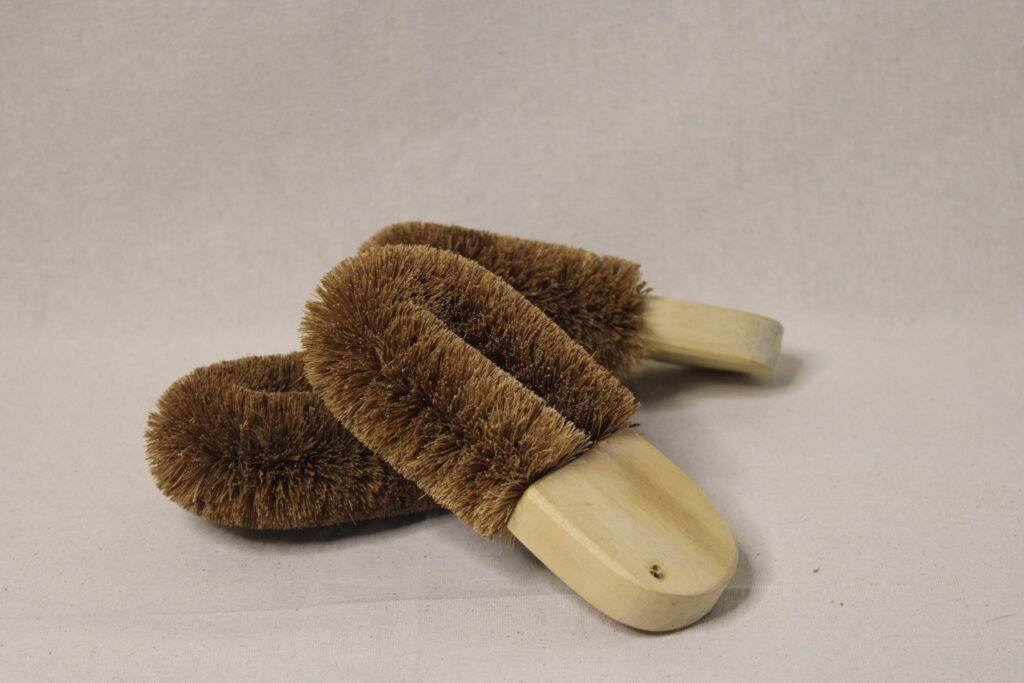
Coconut coir brushes come in various types including dish scrubbers, bottle brushes, floor sweepers, and body exfoliating brushes.
They are durable, biodegradable and water-resistant. These brushes effectively clean without scratching, making them ideal for kitchens, bathrooms, and eco-friendly personal care habits.
Upcycling by-products of the coconut palm tree to sustain the environment
The coconut palm is known as the “Tree of Life” for good reason.
Every part offers value — coconut water refreshes, the flesh produces oil and milk, husks yield coir fiber, shells become charcoal or crafts, and leaves and trunks serve for roofing, furniture, and sustainable household products.
Coconut husks, coir, and shells are incredible examples of sustainable upcycling.
The husk’s coarse fibers are processed into coir, used for eco-friendly mats, brushes, ropes, and biodegradable planting pots.
Coconut shells, once discarded, are transformed into beautiful crafts, activated charcoal, and natural bowls.
Upcycling these by-products reduces agricultural waste, minimizes pollution, and supports rural livelihoods. Coconut-based products decompose naturally, leaving no harmful residues. This circular use of coconut resources showcases how traditional wisdom harmoniously blends with modern sustainability, turning waste into valuable, earth-friendly innovations that promote a cleaner environment that thrives in an age of constant evolution.
People should embrace coconut-based alternatives for a greener lifestyle — they’re natural, biodegradable, reduce waste, and support sustainable livelihoods while protecting our planet’s future.
