Benefits of Organic Coconut Sugar

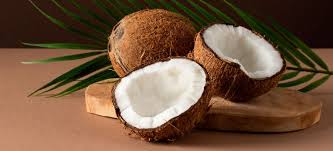
Coconut sugar comes from the sap of the coconut palm tree — not the coconuts.
Harvesters tap coconut palm sap by severing into the tree’s flower-bud stem to access its nectar. It is then mixed with water, boiled into a syrup, and allowed to dry and crystallize. Afterwards, they break the dried sap apart to create sugar granules that resemble regular table or cane sugar.
It has a rich caramel-like flavor with a hint of butterscotch and is minimally processed, retaining some nutrients such as iron, zinc, calcium, and potassium, though not in amounts significant enough for major health benefits.
Organic coconut sugar is considered sustainable and traditional in many tropical regions and is often used as a low glycemic alternative to regular sugar and can be used in baking, beverages, and other sweetening purposes.
Organic coconut sugar compares to processed sugars in several important ways:
- Processing: Organic coconut sugar is minimally processed, made by boiling and crystallizing the sap of coconut palm flowers, whereas processed sugars like white refined sugar undergo heavy refining, bleaching, and chemical processing.
- Nutritional content: Organic coconut sugar retains small amounts of minerals such as potassium, magnesium, zinc, and iron, plus some antioxidants and fiber (inulin) due to less processing. Processed sugars typically lack these nutrients and are almost pure sucrose.
- Glycemic index: Organic coconut sugar has a lower glycemic index (~35-54 depending on source) than refined white sugar (GI around 60-65), meaning it causes a slower rise in blood sugar. Coconut sugar also contains the soluble fiber inulin, which is linked to a lower risk of blood sugar spikes.
- Additives and certifications: Organic coconut sugar is produced without synthetic pesticides, fertilizers, irradiation, or GMOs, and often certified by USDA Organic, appealing to health-conscious consumers. Processed sugars do not have these attributes.
Despite these differences, organic coconut sugar contains similar calories and carbohydrate amounts as processed sugar and should be consumed in moderation. It is regarded as a more natural, sustainable, and healthier alternative but still contributes to sugar intake and blood glucose impact.
Coconut sugar is a popular sweetener in many vegan diets, as it is plant-based and minimally processed. Because coconut sugar is a plant-based, natural sweetener, some people feel it is more nutritious than regular table sugar. In reality, coconut sugar is almost identical to regular cane sugar in terms of nutrients and calories.