


Organic Cotton Girl’s panties 3 in 1 pack Ages 3-4

Coconut Shell Cinnamon Scented Handmade Soy Wax Candle

Luxury Natural Soap Aloe Vera and Avacado

Luxury Natural Soap Cinnamon

100% Organic Coconut Flour 250Gms

Coconut Oil Massage Oil









Why Organic Food is More Than Just a Trend — It’s a Lifestyle Revolution

Why Organic Food is More Than Just a Trend — It’s a Lifestyle Revolution
In today’s fast-paced world, where supermarket shelves overflow with glossy-packaged, highly processed goods containing extensive artificial preservatives, organic food stands out as nature’s purest gift.
More and more people are turning to organic living not just as a health choice, but as a way of life that supports wellness, sustainability, and the planet. Unlike regular produce, organic fruits, vegetables, and grains are grown in nutrient-rich soils without the interference of synthetic pesticides, herbicides, or chemical fertilisers. This means every bite you take is fresher, cleaner, and healthier for your body.
Why Organic Food?
Research shows that organic food often contains higher levels of antioxidants, vitamins, and minerals compared to other options. These nutrients aren’t just numbers— they translate to stronger immunity, more energy, and better wellbeing. Choosing organic is about fueling your body with real nutrition that works in harmony with nature’s rhythm.
But the benefits don’t stop at your diet. Organic farming is innately eco-friendly, protecting the soil, water, and air from toxic chemicals. Organic farmers protect and preserve biodiversity and reduce greenhouse gas emissions through crop rotation, composting, and natural pest control. In other words, every organic purchase is a quiet but powerful way of fighting climate change and supporting a healthier planet. You’re not just eating food — you’re voting with your fork for a cleaner, greener future.
There’s also a deeply human side to organic food. By avoiding harmful chemicals, farmers who practice organic agriculture enjoy safer working conditions and healthier communities. When you support organic, you’re empowering farming families, preserving traditional practices, and investing in fairer, more sustainable systems of food production and consumption.
And let’s not forget that organic is more than food. It extends into teas, skincare, and home essentials — turning everyday living into an act of self-care and sustainability. It’s a lifestyle that aligns the broader approach to ESG (environmental, social and governance) in one mindful choice.
At the end of the day, going organic isn’t about following a trend. It’s about making a conscious statement. It’s about asking yourself: do you want food that simply fills you up, or food that fuels you with life, vitality, and purpose? When you choose organic, you’re choosing health, sustainability, and a future that thrives. And that’s a lifestyle revolution worth embracing.

Embracing Organic Coconut Products for a Better Life
The humble coconut has long been treasured in many cultures, tracing back to ancient civilizations, and today its organic products are making a strong comeback in modern living.
Coconut Treacle has a low glycemic index, helps maintain stable blood sugar levels compared to refined sugar, making it a better choice for people managing energy spikes.
It contains iron, calcium, potassium, magnesium and zinc, which support bone health, muscle function, and overall wellness. It is also a natural antioxidant and gut friendly as it is a natural prebiotic.
Coconut Oil supports heart health, boosts immunity, and works wonders as a natural moisturizer for skin and hair.
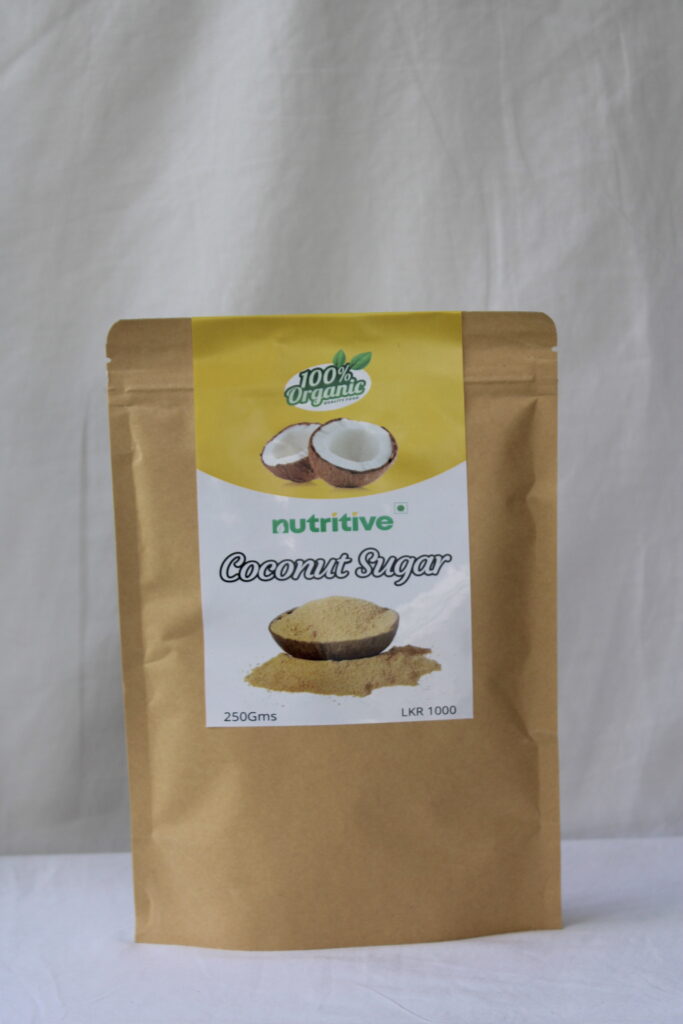
Coconut Sugar, with its low glycemic index, is a healthier alternative to refined sugar, helping manage energy levels more steadily.
Coconut Flour is gluten-free, high in fiber and best for wholesome baking.
Coconut Water provides natural hydration filled with electrolytes.
Coconut Jam is another innovative product that sticks to the roots of organic products—sweet, creamy and delectable without any of the extra calories that come with highly processed spreads.
Beyond personal wellness, coconut products encompass benefits to the planet. Organic farming avoids harmful pesticides and chemicals, protecting soil health, clean water sources, and biodiversity. Biodegradable coconut husk and shell products—like bowls, brushes, and handicrafts offer sustainable alternatives to plastic, reducing environmental waste.
From cooking and skincare to eco-friendly homeware, organic coconut products incorporate tradition with modern lifestyles. Choosing them is more than a wellness decision—it’s a conscious step towards supporting sustainable farming, reducing your carbon footprint, and acceptance of a greener future.
Benefits of Organic Coconut Sugar
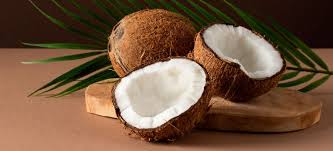
Coconut sugar comes from the sap of the coconut palm tree — not the coconuts.
Harvesters tap coconut palm sap by severing into the tree’s flower-bud stem to access its nectar. It is then mixed with water, boiled into a syrup, and allowed to dry and crystallize. Afterwards, they break the dried sap apart to create sugar granules that resemble regular table or cane sugar.
It has a rich caramel-like flavor with a hint of butterscotch and is minimally processed, retaining some nutrients such as iron, zinc, calcium, and potassium, though not in amounts significant enough for major health benefits.
Organic coconut sugar is considered sustainable and traditional in many tropical regions and is often used as a low glycemic alternative to regular sugar and can be used in baking, beverages, and other sweetening purposes.
Organic coconut sugar compares to processed sugars in several important ways:
- Processing: Organic coconut sugar is minimally processed, made by boiling and crystallizing the sap of coconut palm flowers, whereas processed sugars like white refined sugar undergo heavy refining, bleaching, and chemical processing.
- Nutritional content: Organic coconut sugar retains small amounts of minerals such as potassium, magnesium, zinc, and iron, plus some antioxidants and fiber (inulin) due to less processing. Processed sugars typically lack these nutrients and are almost pure sucrose.
- Glycemic index: Organic coconut sugar has a lower glycemic index (~35-54 depending on source) than refined white sugar (GI around 60-65), meaning it causes a slower rise in blood sugar. Coconut sugar also contains the soluble fiber inulin, which is linked to a lower risk of blood sugar spikes.
- Additives and certifications: Organic coconut sugar is produced without synthetic pesticides, fertilizers, irradiation, or GMOs, and often certified by USDA Organic, appealing to health-conscious consumers. Processed sugars do not have these attributes.
Despite these differences, organic coconut sugar contains similar calories and carbohydrate amounts as processed sugar and should be consumed in moderation. It is regarded as a more natural, sustainable, and healthier alternative but still contributes to sugar intake and blood glucose impact.
Coconut sugar is a popular sweetener in many vegan diets, as it is plant-based and minimally processed. Because coconut sugar is a plant-based, natural sweetener, some people feel it is more nutritious than regular table sugar. In reality, coconut sugar is almost identical to regular cane sugar in terms of nutrients and calories.


FREE SHIPPING
Contrary to popular belief, lorem ipsum is not simply random.
EXCHANGE & RETURN
This book is a treatise on the theory of ethics, very popular during.
CUSTOMER SERVICE
Many desktop publishing packages and web page editors now.
INSTANT PAYMENTS
Looked up one of the more obscure latin words, consectetur.