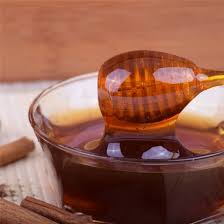
Coconut treacle is a natural sweetener made from the sap of coconut flower buds.
It is produced by collecting the sweet sap from the coconut blossom, which is then boiled and concentrated to form a thick, brown syrup-like substance with a rich flavor reminiscent of caramel and molasses.
The process of making coconut treacle involves:
- Tapping the coconut palm flower buds by making a careful cut to collect the sap.
- Collecting the sap in containers, usually done early in the day.
- Boiling the collected sap to evaporate water and concentrate it into a thick syrup.
This product is minimally processed compared to refined sugar and retains nutrients such as vitamins (C, B1, B2, B3, B6), minerals (magnesium, calcium, potassium, zinc, iron, copper), amino acids, and antioxidants.
It has a low glycemic index, making it healthier for use than regular sugar. The glycemic index of coconut treacle is about 35, which is considered low. This means that coconut treacle causes a slower and steadier rise in blood sugar levels after consumption relative to refined sugar, which has a high GI. This makes coconut treacle suitable for people looking to manage blood sugar levels, including those with diabetes and hormonal imbalances.
Coconut treacle has versatile culinary uses, primarily thanks to its rich, caramel-like flavor and natural sweetness. Some uses include:
- Drizzling over breakfast foods such as pancakes, waffles, ice cream, and porridge to add a natural sweet flavor with a complex taste profile.
- Using as a natural sweetener in baking recipes, including cookies, cakes, and tarts, providing a healthier alternative to refined sugars.
- Incorporating into traditional Sri Lankan sweet dishes such as Pol Pani Pancakes (crepes filled with sweet coconut treacle) and Wattalapam.
- Sweetening beverages like coffee or tea by adding depth to the drink while being a natural sugar alternative.
There are clinical and scientific studies addressing the health effects of coconut treacle, highlighting multiple benefits:
- Coconut treacle contains natural prebiotics such as inulin, which enrich gut health by promoting beneficial gut bacteria.
- The nutritional profile rich in essential minerals (iron, magnesium, potassium, calcium) and vitamins (C, B-complex), along with amino acids, supports cellular health, energy production, and overall metabolic balance.
- Research also suggests that coconut treacle’s antioxidant properties may reduce the risk of chronic diseases by combating oxidative stress. Its antimicrobial properties may also help in supporting immune health.