
Why Organic Food is More Than Just a Trend — It’s a Lifestyle Revolution

Why Organic Food is More Than Just a Trend — It’s a Lifestyle Revolution
In today’s fast-paced world, where supermarket shelves overflow with glossy-packaged, highly processed goods containing extensive artificial preservatives, organic food stands out as nature’s purest gift.
More and more people are turning to organic living not just as a health choice, but as a way of life that supports wellness, sustainability, and the planet. Unlike regular produce, organic fruits, vegetables, and grains are grown in nutrient-rich soils without the interference of synthetic pesticides, herbicides, or chemical fertilisers. This means every bite you take is fresher, cleaner, and healthier for your body.
Why Organic Food?
Research shows that organic food often contains higher levels of antioxidants, vitamins, and minerals compared to other options. These nutrients aren’t just numbers— they translate to stronger immunity, more energy, and better wellbeing. Choosing organic is about fueling your body with real nutrition that works in harmony with nature’s rhythm.
But the benefits don’t stop at your diet. Organic farming is innately eco-friendly, protecting the soil, water, and air from toxic chemicals. Organic farmers protect and preserve biodiversity and reduce greenhouse gas emissions through crop rotation, composting, and natural pest control. In other words, every organic purchase is a quiet but powerful way of fighting climate change and supporting a healthier planet. You’re not just eating food — you’re voting with your fork for a cleaner, greener future.
There’s also a deeply human side to organic food. By avoiding harmful chemicals, farmers who practice organic agriculture enjoy safer working conditions and healthier communities. When you support organic, you’re empowering farming families, preserving traditional practices, and investing in fairer, more sustainable systems of food production and consumption.
And let’s not forget that organic is more than food. It extends into teas, skincare, and home essentials — turning everyday living into an act of self-care and sustainability. It’s a lifestyle that aligns the broader approach to ESG (environmental, social and governance) in one mindful choice.
At the end of the day, going organic isn’t about following a trend. It’s about making a conscious statement. It’s about asking yourself: do you want food that simply fills you up, or food that fuels you with life, vitality, and purpose? When you choose organic, you’re choosing health, sustainability, and a future that thrives. And that’s a lifestyle revolution worth embracing.

Embracing Organic Coconut Products for a Better Life
The humble coconut has long been treasured in many cultures, tracing back to ancient civilizations, and today its organic products are making a strong comeback in modern living.
Coconut Treacle has a low glycemic index, helps maintain stable blood sugar levels compared to refined sugar, making it a better choice for people managing energy spikes.
It contains iron, calcium, potassium, magnesium and zinc, which support bone health, muscle function, and overall wellness. It is also a natural antioxidant and gut friendly as it is a natural prebiotic.
Coconut Oil supports heart health, boosts immunity, and works wonders as a natural moisturizer for skin and hair.
Coconut Sugar, with its low glycemic index, is a healthier alternative to refined sugar, helping manage energy levels more steadily.
Coconut Flour is gluten-free, high in fiber and best for wholesome baking.
Coconut Water provides natural hydration filled with electrolytes.
Coconut Jam is another innovative product that sticks to the roots of organic products—sweet, creamy and delectable without any of the extra calories that come with highly processed spreads.
Beyond personal wellness, coconut products encompass benefits to the planet. Organic farming avoids harmful pesticides and chemicals, protecting soil health, clean water sources, and biodiversity. Biodegradable coconut husk and shell products—like bowls, brushes, and handicrafts offer sustainable alternatives to plastic, reducing environmental waste.
From cooking and skincare to eco-friendly homeware, organic coconut products incorporate tradition with modern lifestyles. Choosing them is more than a wellness decision—it’s a conscious step towards supporting sustainable farming, reducing your carbon footprint, and acceptance of a greener future.
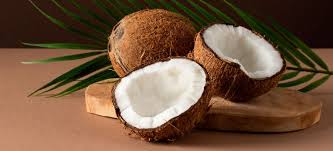
Benefits of Organic Coconut Sugar
Coconut sugar comes from the sap of the coconut palm tree — not the coconuts.
Harvesters tap coconut palm sap by severing into the tree’s flower-bud stem to access its nectar. It is then mixed with water, boiled into a syrup, and allowed to dry and crystallize. Afterwards, they break the dried sap apart to create sugar granules that resemble regular table or cane sugar.
It has a rich caramel-like flavor with a hint of butterscotch and is minimally processed, retaining some nutrients such as iron, zinc, calcium, and potassium, though not in amounts significant enough for major health benefits.
Organic coconut sugar is considered sustainable and traditional in many tropical regions and is often used as a low glycemic alternative to regular sugar and can be used in baking, beverages, and other sweetening purposes.
Organic coconut sugar compares to processed sugars in several important ways:
- Processing: Organic coconut sugar is minimally processed, made by boiling and crystallizing the sap of coconut palm flowers, whereas processed sugars like white refined sugar undergo heavy refining, bleaching, and chemical processing.
- Nutritional content: Organic coconut sugar retains small amounts of minerals such as potassium, magnesium, zinc, and iron, plus some antioxidants and fiber (inulin) due to less processing. Processed sugars typically lack these nutrients and are almost pure sucrose.
- Glycemic index: Organic coconut sugar has a lower glycemic index (~35-54 depending on source) than refined white sugar (GI around 60-65), meaning it causes a slower rise in blood sugar. Coconut sugar also contains the soluble fiber inulin, which is linked to a lower risk of blood sugar spikes.
- Additives and certifications: Organic coconut sugar is produced without synthetic pesticides, fertilizers, irradiation, or GMOs, and often certified by USDA Organic, appealing to health-conscious consumers. Processed sugars do not have these attributes.
Despite these differences, organic coconut sugar contains similar calories and carbohydrate amounts as processed sugar and should be consumed in moderation. It is regarded as a more natural, sustainable, and healthier alternative but still contributes to sugar intake and blood glucose impact.
Coconut sugar is a popular sweetener in many vegan diets, as it is plant-based and minimally processed. Because coconut sugar is a plant-based, natural sweetener, some people feel it is more nutritious than regular table sugar. In reality, coconut sugar is almost identical to regular cane sugar in terms of nutrients and calories.

100% Organic Coconut Treacle and its numerous benefits
Coconut treacle is a natural sweetener made from the sap of coconut flower buds.
It is produced by collecting the sweet sap from the coconut blossom, which is then boiled and concentrated to form a thick, brown syrup-like substance with a rich flavor reminiscent of caramel and molasses.
The process of making coconut treacle involves:
- Tapping the coconut palm flower buds by making a careful cut to collect the sap.
- Collecting the sap in containers, usually done early in the day.
- Boiling the collected sap to evaporate water and concentrate it into a thick syrup.
This product is minimally processed compared to refined sugar and retains nutrients such as vitamins (C, B1, B2, B3, B6), minerals (magnesium, calcium, potassium, zinc, iron, copper), amino acids, and antioxidants.
It has a low glycemic index, making it healthier for use than regular sugar. The glycemic index of coconut treacle is about 35, which is considered low. This means that coconut treacle causes a slower and steadier rise in blood sugar levels after consumption relative to refined sugar, which has a high GI. This makes coconut treacle suitable for people looking to manage blood sugar levels, including those with diabetes and hormonal imbalances.
Coconut treacle has versatile culinary uses, primarily thanks to its rich, caramel-like flavor and natural sweetness. Some uses include:
- Drizzling over breakfast foods such as pancakes, waffles, ice cream, and porridge to add a natural sweet flavor with a complex taste profile.
- Using as a natural sweetener in baking recipes, including cookies, cakes, and tarts, providing a healthier alternative to refined sugars.
- Incorporating into traditional Sri Lankan sweet dishes such as Pol Pani Pancakes (crepes filled with sweet coconut treacle) and Wattalapam.
- Sweetening beverages like coffee or tea by adding depth to the drink while being a natural sugar alternative.
There are clinical and scientific studies addressing the health effects of coconut treacle, highlighting multiple benefits:
- Coconut treacle contains natural prebiotics such as inulin, which enrich gut health by promoting beneficial gut bacteria.
- The nutritional profile rich in essential minerals (iron, magnesium, potassium, calcium) and vitamins (C, B-complex), along with amino acids, supports cellular health, energy production, and overall metabolic balance.
- Research also suggests that coconut treacle’s antioxidant properties may reduce the risk of chronic diseases by combating oxidative stress. Its antimicrobial properties may also help in supporting immune health.

Why Organic Food is More Than Just a Trend — It’s a Lifestyle Revolution
Why Organic Food is More Than Just a Trend — It’s a Lifestyle Revolution
In today’s fast-paced world, where supermarket shelves overflow with glossy-packaged, highly processed goods containing extensive artificial preservatives, organic food stands out as nature’s purest gift.
More and more people are turning to organic living not just as a health choice, but as a way of life that supports wellness, sustainability, and the planet. Unlike regular produce, organic fruits, vegetables, and grains are grown in nutrient-rich soils without the interference of synthetic pesticides, herbicides, or chemical fertilisers. This means every bite you take is fresher, cleaner, and healthier for your body.
Why Organic Food?
Research shows that organic food often contains higher levels of antioxidants, vitamins, and minerals compared to other options. These nutrients aren’t just numbers— they translate to stronger immunity, more energy, and better wellbeing. Choosing organic is about fueling your body with real nutrition that works in harmony with nature’s rhythm.
But the benefits don’t stop at your diet. Organic farming is innately eco-friendly, protecting the soil, water, and air from toxic chemicals. Organic farmers protect and preserve biodiversity and reduce greenhouse gas emissions through crop rotation, composting, and natural pest control. In other words, every organic purchase is a quiet but powerful way of fighting climate change and supporting a healthier planet. You’re not just eating food — you’re voting with your fork for a cleaner, greener future.
There’s also a deeply human side to organic food. By avoiding harmful chemicals, farmers who practice organic agriculture enjoy safer working conditions and healthier communities. When you support organic, you’re empowering farming families, preserving traditional practices, and investing in fairer, more sustainable systems of food production and consumption.
And let’s not forget that organic is more than food. It extends into teas, skincare, and home essentials — turning everyday living into an act of self-care and sustainability. It’s a lifestyle that aligns the broader approach to ESG (environmental, social and governance) in one mindful choice.
At the end of the day, going organic isn’t about following a trend. It’s about making a conscious statement. It’s about asking yourself: do you want food that simply fills you up, or food that fuels you with life, vitality, and purpose? When you choose organic, you’re choosing health, sustainability, and a future that thrives. And that’s a lifestyle revolution worth embracing.

Why Organic Food is More Than Just a Trend — It’s a Lifestyle Revolution
Why Organic Food is More Than Just a Trend — It’s a Lifestyle Revolution
In today’s fast-paced world, where supermarket shelves overflow with glossy-packaged, highly processed goods containing extensive artificial preservatives, organic food stands out as nature’s purest gift.
More and more people are turning to organic living not just as a health choice, but as a way of life that supports wellness, sustainability, and the planet. Unlike regular produce, organic fruits, vegetables, and grains are grown in nutrient-rich soils without the interference of synthetic pesticides, herbicides, or chemical fertilisers. This means every bite you take is fresher, cleaner, and healthier for your body.
Why Organic Food?
Research shows that organic food often contains higher levels of antioxidants, vitamins, and minerals compared to other options. These nutrients aren’t just numbers— they translate to stronger immunity, more energy, and better wellbeing. Choosing organic is about fueling your body with real nutrition that works in harmony with nature’s rhythm.
But the benefits don’t stop at your diet. Organic farming is innately eco-friendly, protecting the soil, water, and air from toxic chemicals. Organic farmers protect and preserve biodiversity and reduce greenhouse gas emissions through crop rotation, composting, and natural pest control. In other words, every organic purchase is a quiet but powerful way of fighting climate change and supporting a healthier planet. You’re not just eating food — you’re voting with your fork for a cleaner, greener future.
There’s also a deeply human side to organic food. By avoiding harmful chemicals, farmers who practice organic agriculture enjoy safer working conditions and healthier communities. When you support organic, you’re empowering farming families, preserving traditional practices, and investing in fairer, more sustainable systems of food production and consumption.
And let’s not forget that organic is more than food. It extends into teas, skincare, and home essentials — turning everyday living into an act of self-care and sustainability. It’s a lifestyle that aligns the broader approach to ESG (environmental, social and governance) in one mindful choice.
At the end of the day, going organic isn’t about following a trend. It’s about making a conscious statement. It’s about asking yourself: do you want food that simply fills you up, or food that fuels you with life, vitality, and purpose? When you choose organic, you’re choosing health, sustainability, and a future that thrives. And that’s a lifestyle revolution worth embracing.
Embracing Organic Coconut Products for a Better Life
The humble coconut has long been treasured in many cultures, tracing back to ancient civilizations, and today its organic products are making a strong comeback in modern living.
Coconut Treacle has a low glycemic index, helps maintain stable blood sugar levels compared to refined sugar, making it a better choice for people managing energy spikes.
It contains iron, calcium, potassium, magnesium and zinc, which support bone health, muscle function, and overall wellness. It is also a natural antioxidant and gut friendly as it is a natural prebiotic.
Coconut Oil supports heart health, boosts immunity, and works wonders as a natural moisturizer for skin and hair.
Coconut Sugar, with its low glycemic index, is a healthier alternative to refined sugar, helping manage energy levels more steadily.
Coconut Flour is gluten-free, high in fiber and best for wholesome baking.
Coconut Water provides natural hydration filled with electrolytes.
Coconut Jam is another innovative product that sticks to the roots of organic products—sweet, creamy and delectable without any of the extra calories that come with highly processed spreads.
Beyond personal wellness, coconut products encompass benefits to the planet. Organic farming avoids harmful pesticides and chemicals, protecting soil health, clean water sources, and biodiversity. Biodegradable coconut husk and shell products—like bowls, brushes, and handicrafts offer sustainable alternatives to plastic, reducing environmental waste.
From cooking and skincare to eco-friendly homeware, organic coconut products incorporate tradition with modern lifestyles. Choosing them is more than a wellness decision—it’s a conscious step towards supporting sustainable farming, reducing your carbon footprint, and acceptance of a greener future.
Benefits of Organic Coconut Sugar
Coconut sugar comes from the sap of the coconut palm tree — not the coconuts.
Harvesters tap coconut palm sap by severing into the tree’s flower-bud stem to access its nectar. It is then mixed with water, boiled into a syrup, and allowed to dry and crystallize. Afterwards, they break the dried sap apart to create sugar granules that resemble regular table or cane sugar.
It has a rich caramel-like flavor with a hint of butterscotch and is minimally processed, retaining some nutrients such as iron, zinc, calcium, and potassium, though not in amounts significant enough for major health benefits.
Organic coconut sugar is considered sustainable and traditional in many tropical regions and is often used as a low glycemic alternative to regular sugar and can be used in baking, beverages, and other sweetening purposes.
Organic coconut sugar compares to processed sugars in several important ways:
- Processing: Organic coconut sugar is minimally processed, made by boiling and crystallizing the sap of coconut palm flowers, whereas processed sugars like white refined sugar undergo heavy refining, bleaching, and chemical processing.
- Nutritional content: Organic coconut sugar retains small amounts of minerals such as potassium, magnesium, zinc, and iron, plus some antioxidants and fiber (inulin) due to less processing. Processed sugars typically lack these nutrients and are almost pure sucrose.
- Glycemic index: Organic coconut sugar has a lower glycemic index (~35-54 depending on source) than refined white sugar (GI around 60-65), meaning it causes a slower rise in blood sugar. Coconut sugar also contains the soluble fiber inulin, which is linked to a lower risk of blood sugar spikes.
- Additives and certifications: Organic coconut sugar is produced without synthetic pesticides, fertilizers, irradiation, or GMOs, and often certified by USDA Organic, appealing to health-conscious consumers. Processed sugars do not have these attributes.
Despite these differences, organic coconut sugar contains similar calories and carbohydrate amounts as processed sugar and should be consumed in moderation. It is regarded as a more natural, sustainable, and healthier alternative but still contributes to sugar intake and blood glucose impact.
Coconut sugar is a popular sweetener in many vegan diets, as it is plant-based and minimally processed. Because coconut sugar is a plant-based, natural sweetener, some people feel it is more nutritious than regular table sugar. In reality, coconut sugar is almost identical to regular cane sugar in terms of nutrients and calories.
100% Organic Coconut Treacle and its numerous benefits
Coconut treacle is a natural sweetener made from the sap of coconut flower buds.
It is produced by collecting the sweet sap from the coconut blossom, which is then boiled and concentrated to form a thick, brown syrup-like substance with a rich flavor reminiscent of caramel and molasses.
The process of making coconut treacle involves:
- Tapping the coconut palm flower buds by making a careful cut to collect the sap.
- Collecting the sap in containers, usually done early in the day.
- Boiling the collected sap to evaporate water and concentrate it into a thick syrup.
This product is minimally processed compared to refined sugar and retains nutrients such as vitamins (C, B1, B2, B3, B6), minerals (magnesium, calcium, potassium, zinc, iron, copper), amino acids, and antioxidants.
It has a low glycemic index, making it healthier for use than regular sugar. The glycemic index of coconut treacle is about 35, which is considered low. This means that coconut treacle causes a slower and steadier rise in blood sugar levels after consumption relative to refined sugar, which has a high GI. This makes coconut treacle suitable for people looking to manage blood sugar levels, including those with diabetes and hormonal imbalances.
Coconut treacle has versatile culinary uses, primarily thanks to its rich, caramel-like flavor and natural sweetness. Some uses include:
- Drizzling over breakfast foods such as pancakes, waffles, ice cream, and porridge to add a natural sweet flavor with a complex taste profile.
- Using as a natural sweetener in baking recipes, including cookies, cakes, and tarts, providing a healthier alternative to refined sugars.
- Incorporating into traditional Sri Lankan sweet dishes such as Pol Pani Pancakes (crepes filled with sweet coconut treacle) and Wattalapam.
- Sweetening beverages like coffee or tea by adding depth to the drink while being a natural sugar alternative.
There are clinical and scientific studies addressing the health effects of coconut treacle, highlighting multiple benefits:
- Coconut treacle contains natural prebiotics such as inulin, which enrich gut health by promoting beneficial gut bacteria.
- The nutritional profile rich in essential minerals (iron, magnesium, potassium, calcium) and vitamins (C, B-complex), along with amino acids, supports cellular health, energy production, and overall metabolic balance.
- Research also suggests that coconut treacle’s antioxidant properties may reduce the risk of chronic diseases by combating oxidative stress. Its antimicrobial properties may also help in supporting immune health.
Introducing Coconut Jam
Coconuts always come to mind at the mention of the word “tropics”. Creamy, rich, and slightly nutty, it’s a fruit that finds its way into countless desserts, drinks, and confections.
One such delicacy is coconut jam—a decadent spread made from coconut cream and coconut treacle.
What is Coconut Jam?
Coconut jam is a smooth, caramel-like spread that carries the essence of coconut with hints of caramel. We produce it organically with 100% Coconut Syrup (also known as treacle) and 100% coconut cream until it turns into a glossy, fragrant jam.
Health Benefits of Coconut Jam
While it’s a sweet indulgence, coconut jam offers some natural benefits when made with wholesome ingredients:
- Nutrient-rich: Coconut milk (from which coconut cream is made) contains healthy fats (medium-chain triglycerides) that may boost energy and metabolism.
- Mineral content: Coconut sugar is less refined than white sugar and provides trace minerals like potassium, magnesium, and zinc.
- Glycemic Index: The glycemic Index or (how fast your sugar spikes) is lower when compared to mass produced white refined sugar, hence allowing patients with diabetes to indulge in controlled guilty pleasures.
- Dairy-free option: Since it’s plant-based, coconut jam is perfect for those who avoid dairy.
That said, it’s still a sweetener, so prudence is key!
Ways to Enjoy Coconut Jam
Here are some delicious ways to savor this versatile jam:
- Spread on warm toast– A classic choice, especially with crusty sourdough or soft buns. You can top it off with chopped nuts, bananas or your favourite fruits.
- Drizzle on pancakes or waffles – A tropical twist to your breakfast.
- Filling for pastries – Try it in croissants, rolls, or tartlets.
- With fruits – Pairs beautifully with bananas, mangoes, or apples.
- As a dessert topping – Add a spoonful over ice cream, yoghurt, or rice pudding.
A Cultural Breakthrough
Although coconut jam is widely famous in other parts of South Asia, it remains a hidden gem to the people of Sri Lanka. (note the irony) So it is our aim at Elixir to familiarize Sri Lankans with this delectable delicacy.

100% Organic Virgin Coconut Oil- A haven of benefits to us islanders
Virgin Organic Coconut Oil (VCO) is one of nature’s purest and most widely used oils, extracted from fresh, organically grown coconuts without the use of heat or chemicals.
Unlike refined oils, VCO retains its natural aroma, flavor, and a rich concentration of beneficial compounds — making it a nutritional and cosmetic stronghold.
Scientifically, virgin coconut oil is composed primarily of medium-chain triglycerides (MCTs), particularly lauric acid, which constitutes about 48–53% of its fatty acid content. Lauric acid is also found in human breast milk and is known for its antimicrobial, antiviral, and antifungal properties — helping to strengthen the immune system and promote overall wellness.
💚 Health Benefits
- Boosts Immunity – Lauric acid converts to monolaurin in the body, a compound shown to fight harmful bacteria, viruses, and fungi.
- Supports Heart Health – While coconut oil contains saturated fats, studies suggest that MCTs in VCO may help increase HDL (“good”) cholesterol and maintain healthy cholesterol levels.
- Aids Digestion & Nutrient Absorption – The MCTs in VCO are easily digested, providing a quick source of energy and improving the absorption of fat-soluble vitamins (A, D, E, and K).
- Balances Blood Sugar – Regular intake of coconut oil may enhance insulin sensitivity and stabilize blood sugar levels.
- Brain Support – MCTs produce ketones, which serve as an alternative energy source for the brain, showing promise in supporting cognitive function and memory in adults.
🌸 Beauty & Skincare Benefits
- Deep Moisturizer – Its small molecular structure allows it to penetrate deeply into the skin, locking in hydration.
- Natural Hair Conditioner – Prevents protein loss and adds shine, reducing breakage and frizz.
- Gentle Makeup Remover – Melts away makeup and impurities without stripping natural oils.
- Soothes Skin Irritations – Its antibacterial and anti-inflammatory properties make it ideal for treating diaper rash, eczema, and dry patches.
- Natural Lip Balm & Body Oil – Softens and nourishes even the driest areas of the skin.
